 Get A Free Quote
GET A FREE QUOTE
Have questions about our sheds or garages? Contact A-Shed today for expert advice and excellent customer service.
Get A Free Quote
When you add a storage shed to your property in Utah, you are not just gaining extra square footage—you are investing in a structure engineered to handle real environmental demands. Heavy winter snow loads, freeze-thaw cycles, and intense summer heat all place stress on outdoor storage. A properly built shed protects equipment, materials, and personal property year-round while helping you maintain organization and site efficiency.
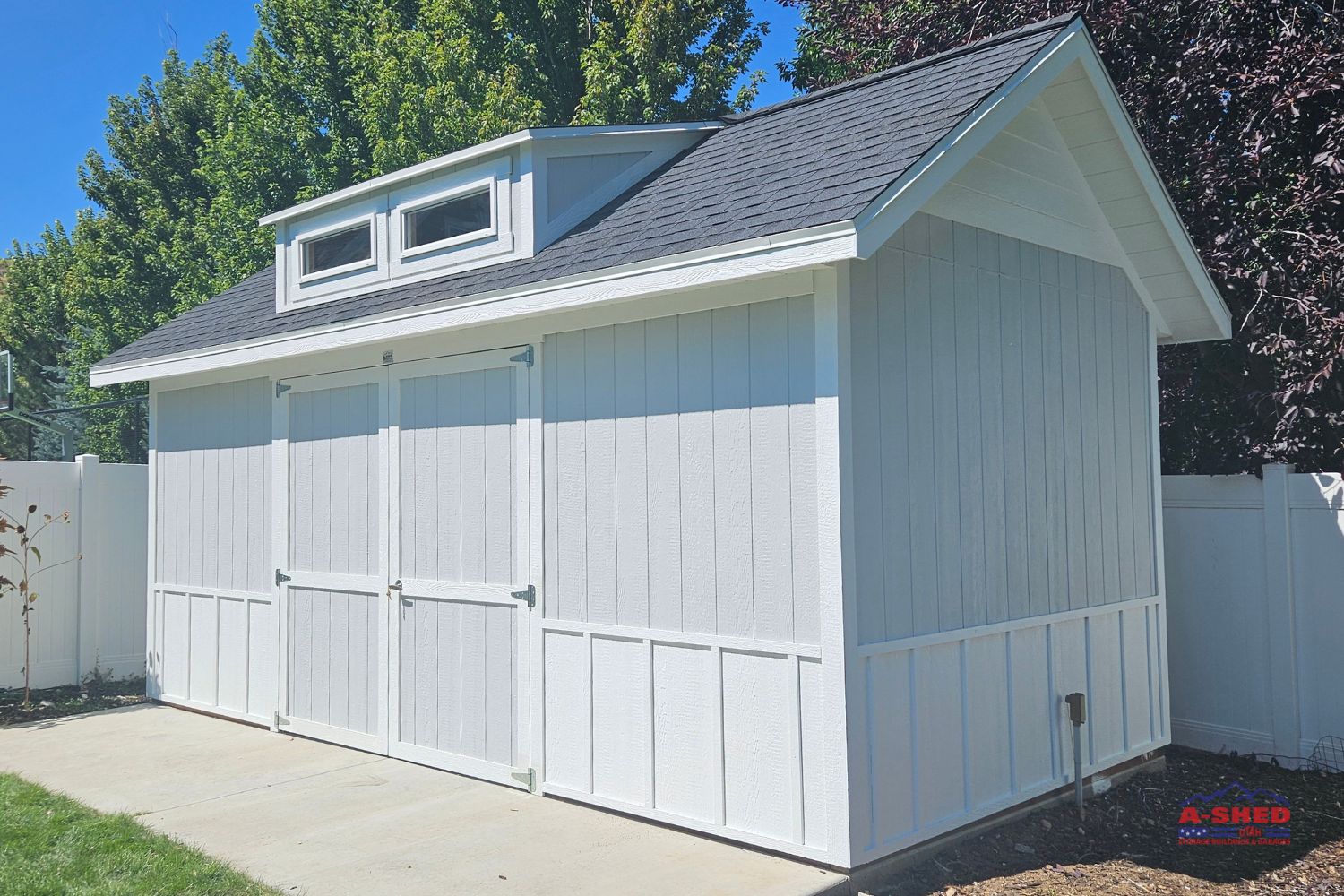
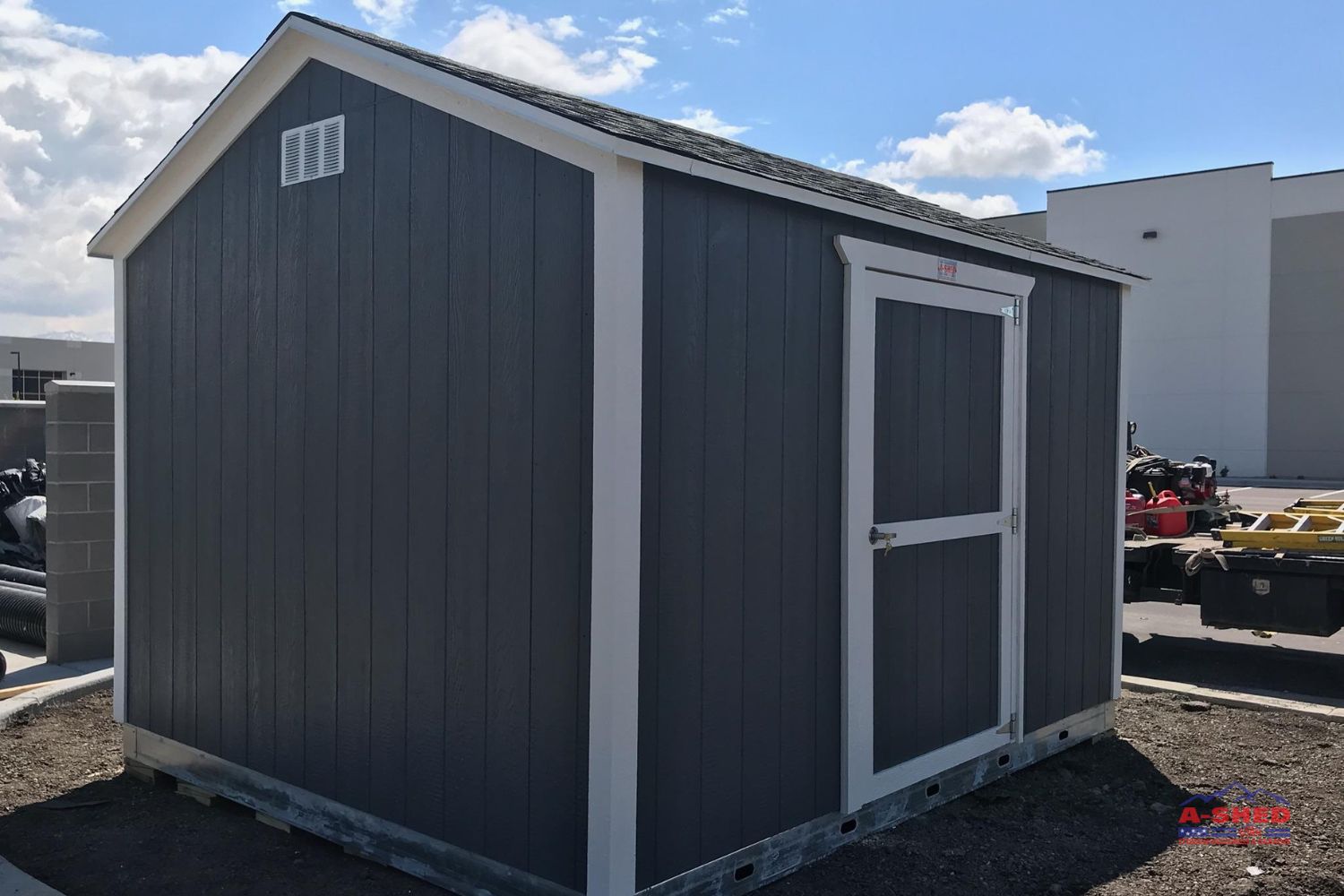
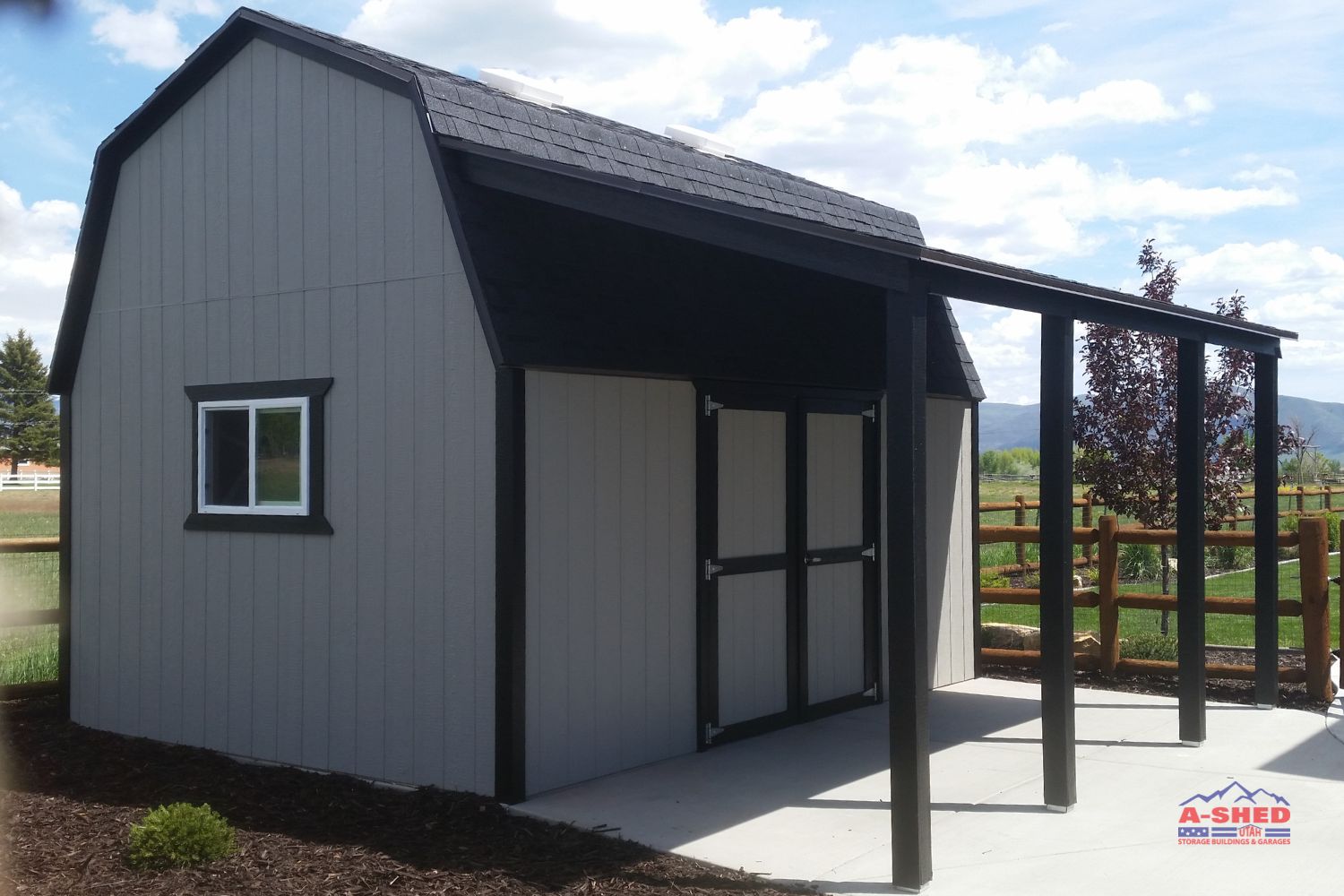
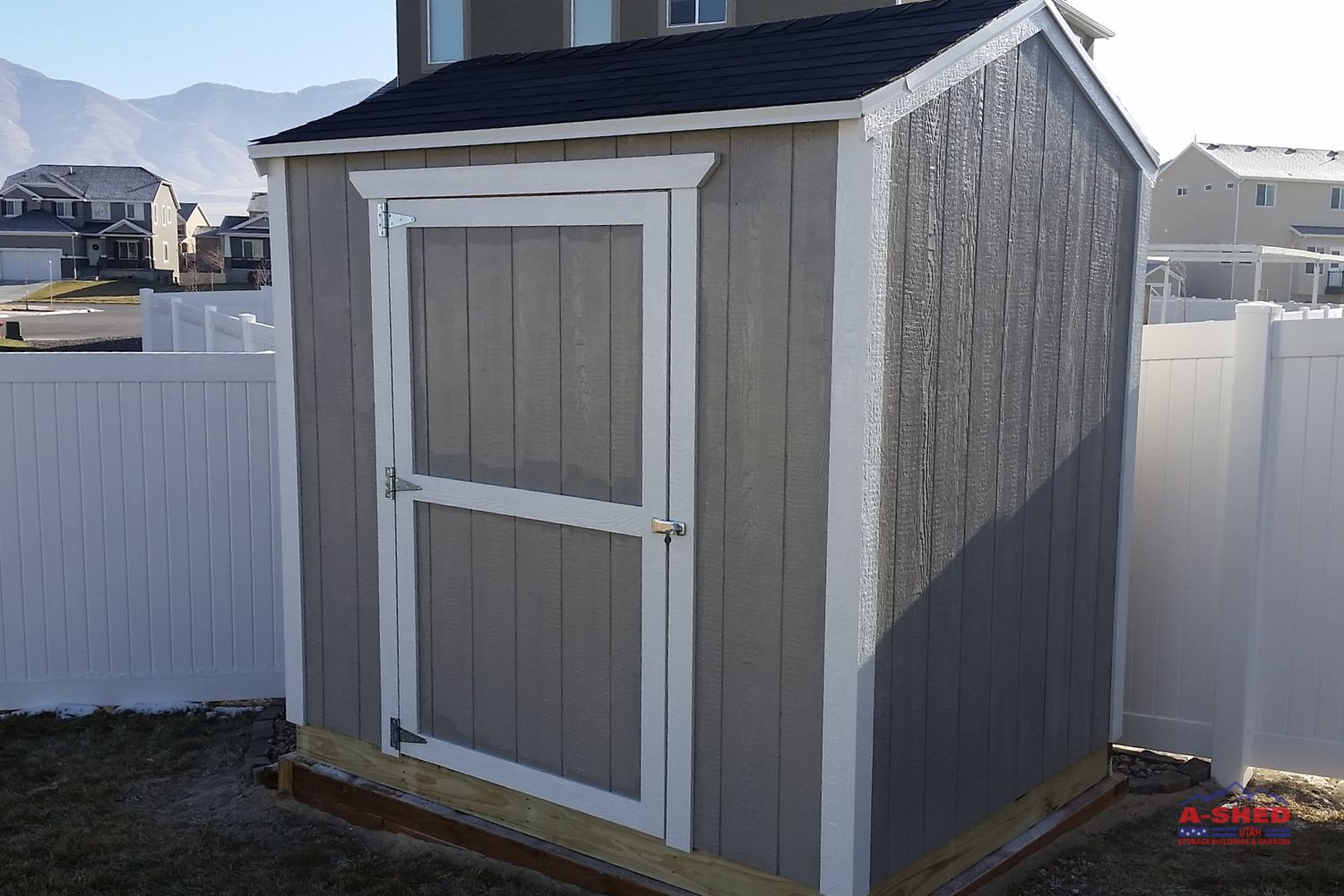
For homeowners and new home owners across Utah, a storage shed often functions as a practical extension of the garage. Many older homes were not designed with modern storage demands in mind. A shed provides secure space for seasonal tools, maintenance equipment, and recreational gear without requiring a full home addition.
In HOA-managed communities throughout the Wasatch Front, storage sheds help you stay compliant with community standards by keeping trailers, tools, and outdoor equipment out of street view. Matching siding, roofing, and trim allows the structure to integrate cleanly with the home’s exterior.
Utah’s strong outdoor recreation culture also drives residential shed demand. Skis, snowboards, bikes, kayaks, camping equipment, and power sports accessories require dry, secure storage to prevent corrosion and UV damage. More homeowners are also using insulated sheds as backyard offices or home gyms, creating functional space separate from the main residence while maintaining privacy and noise control.
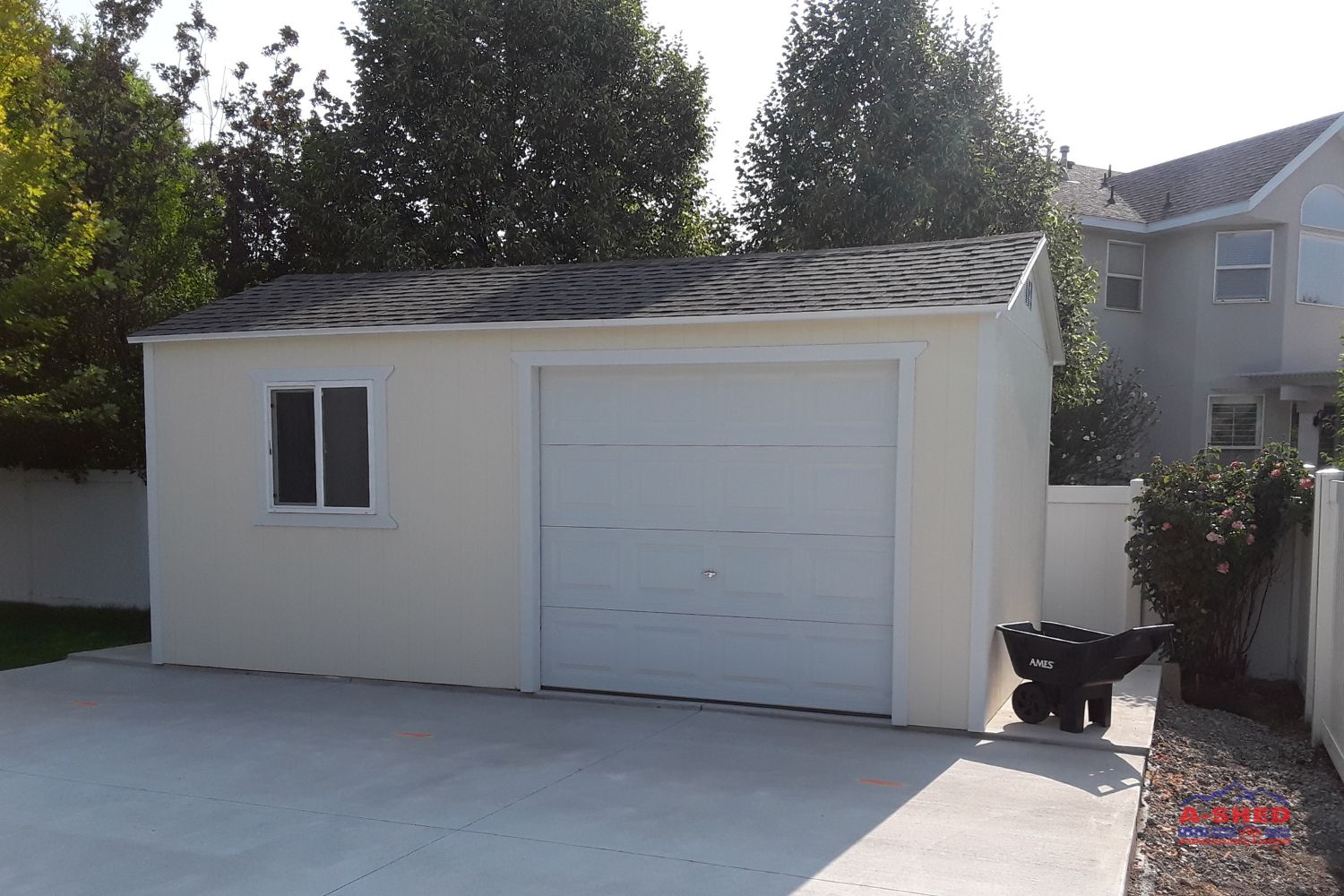
For businesses, storage sheds serve as cost-controlled infrastructure that improves workflow and site organization. Construction firms, trades, and landscape contractors use heavy-duty sheds to store materials, tools, and bulk supplies directly on-site, reducing vehicle loading time and material loss.
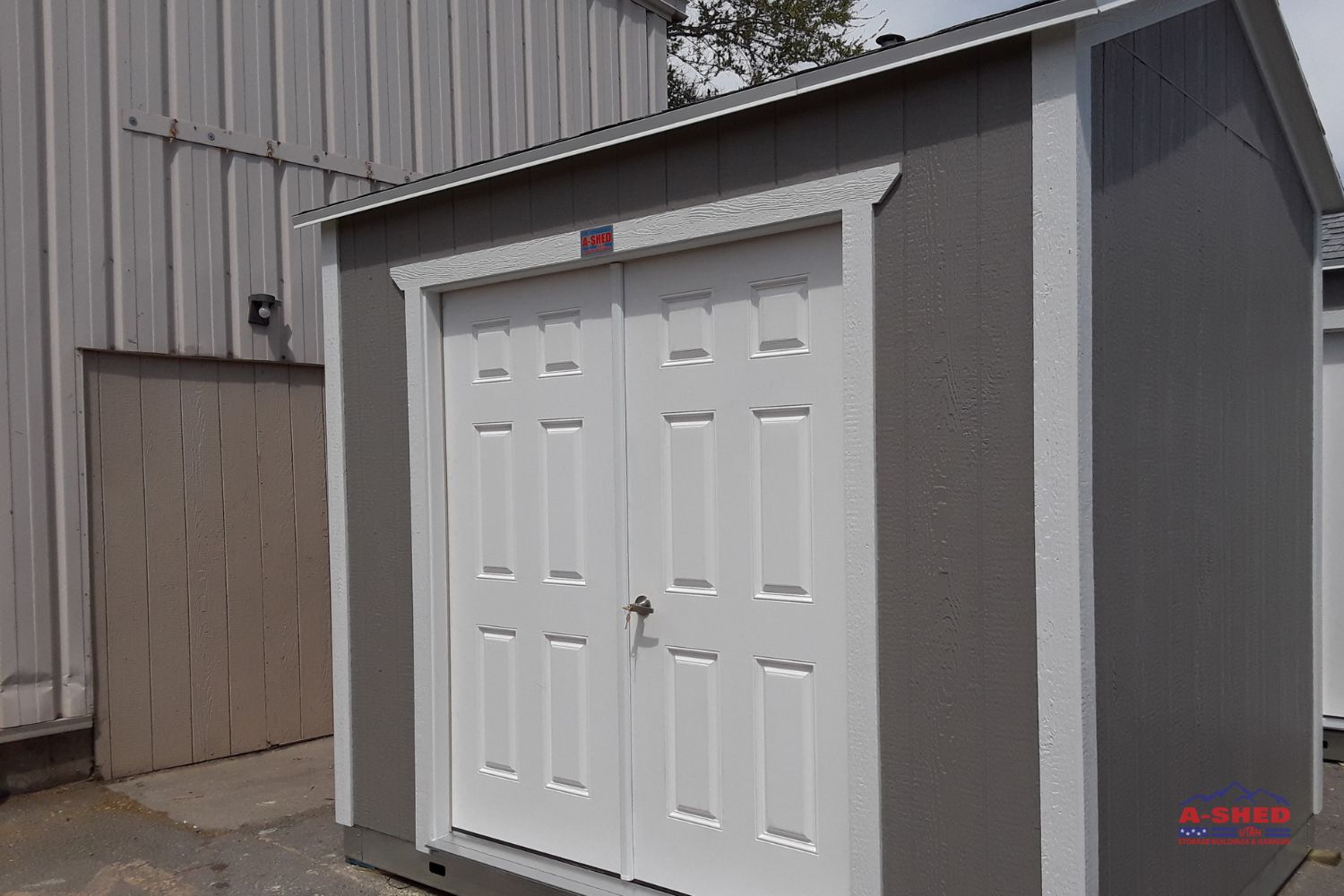
Retailers and restaurants throughout Salt Lake City and other urban centers benefit from outdoor storage by freeing up valuable interior square footage. Seasonal inventory, patio furniture, and shipping supplies can be secured outside without disrupting daily operations.
Multifamily property owners and managers also leverage sheds as rentable tenant storage units. This approach adds a desirable amenity while creating a predictable revenue stream. From a property maintenance standpoint, centralized storage reduces clutter in common areas and simplifies oversight.
Common commercial uses include:
In rural Utah regions storage sheds are essential utility structures. Hobby farms rely on sheds for feed storage, tack rooms, and equipment protection, helping maintain clean and organized working environments. Proper storage also reduces spoilage, pest exposure, and weather-related wear on tools.
Orchards, gardens, and small agricultural operations use sheds as centralized hubs for irrigation components, tillers, harvest bins, and maintenance supplies. Having these materials protected and easily accessible improves operational efficiency and extends equipment lifespan, especially in areas with significant seasonal weather variation.
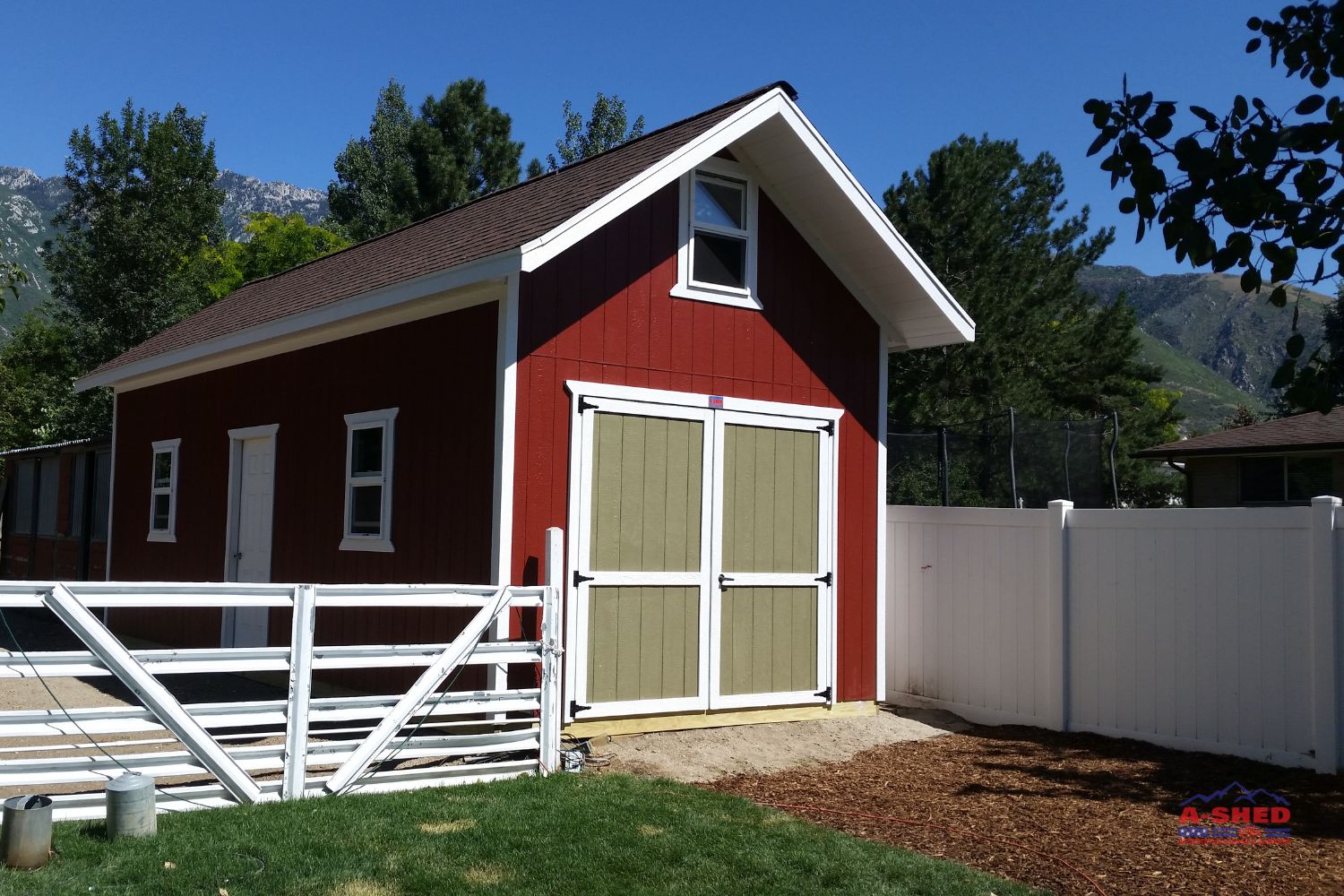
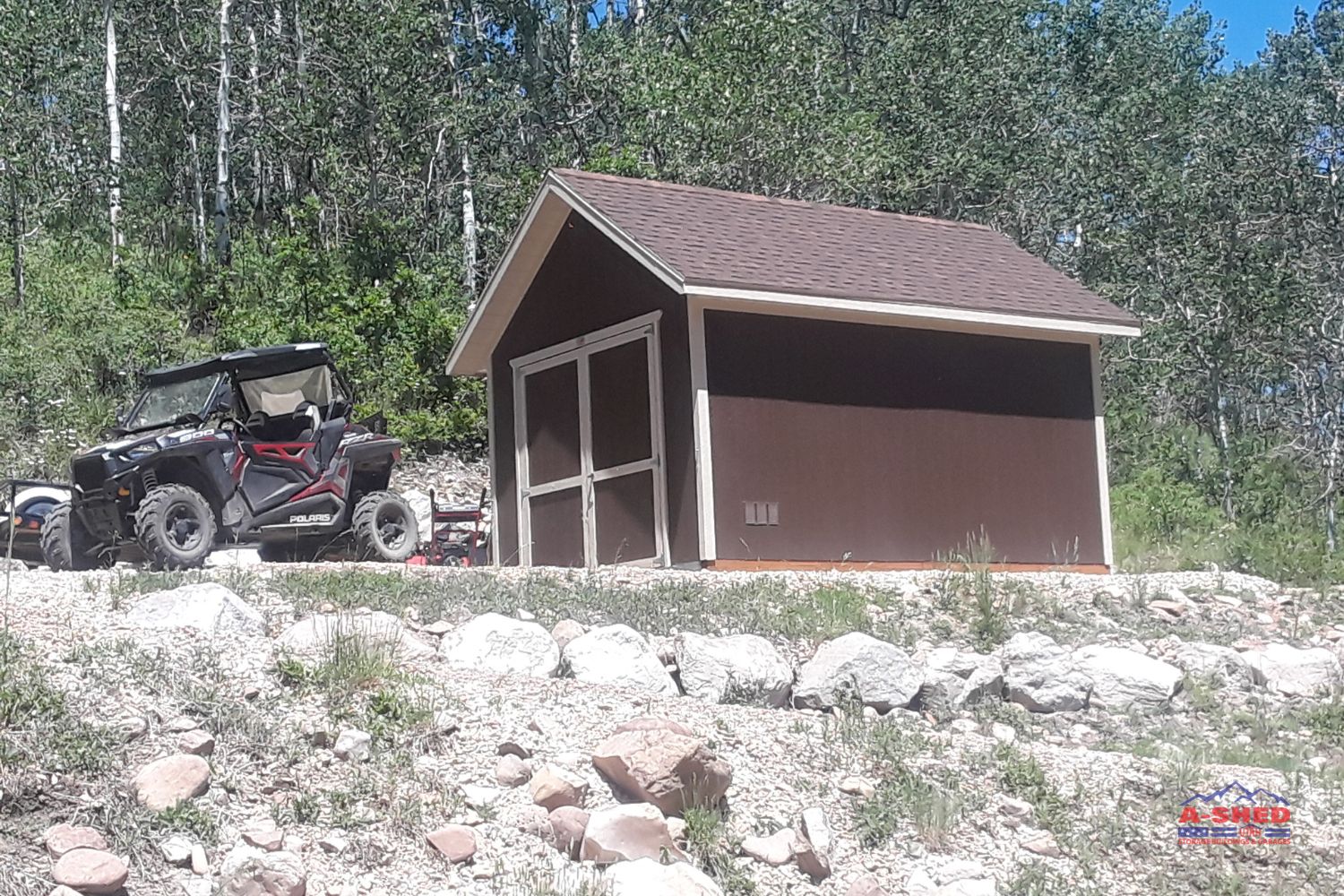
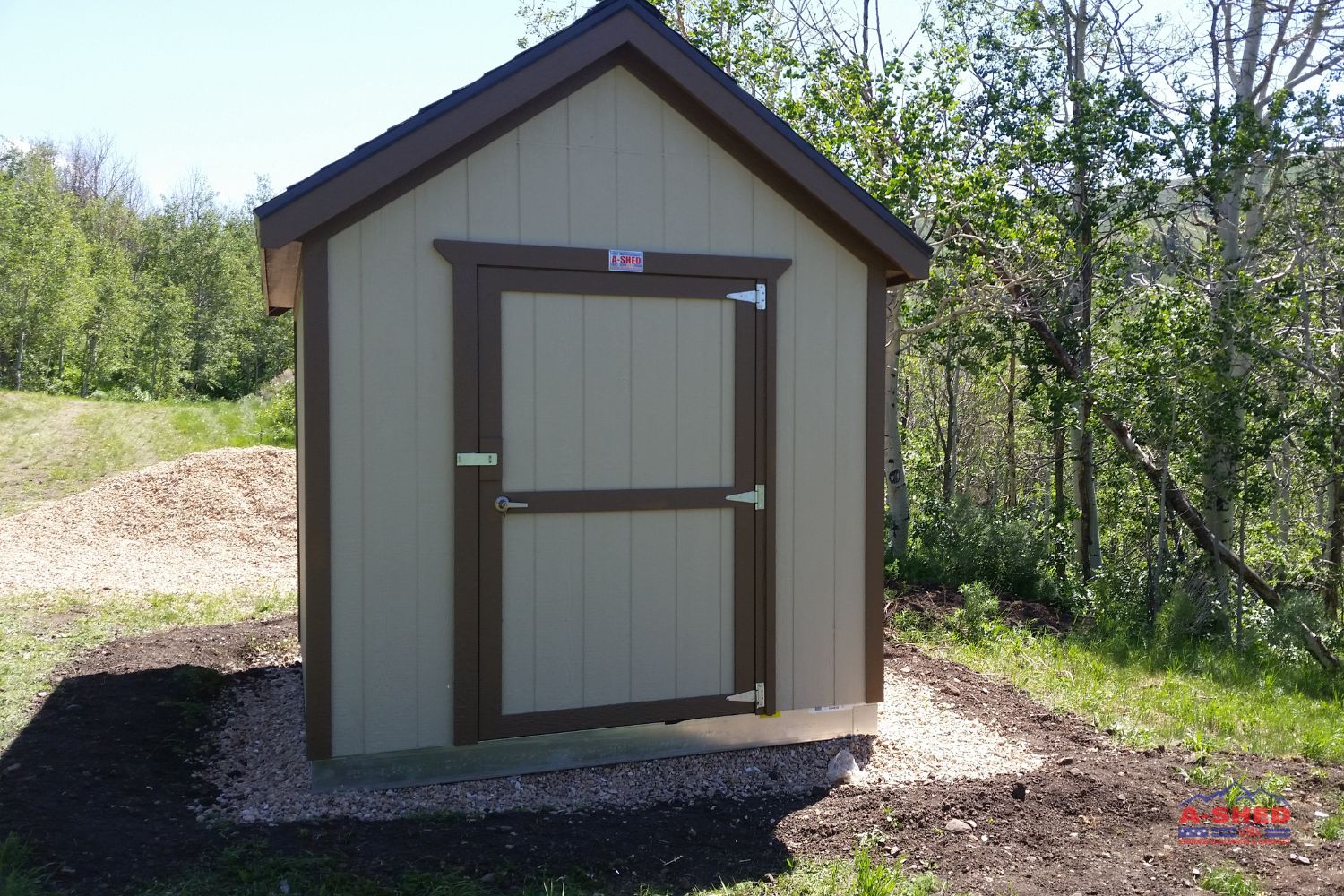
Before installing a storage shed, you need to account for local zoning and building regulations. While requirements vary by municipality, many Utah cities allow smaller sheds without a building permit, provided setback and size limits are met. Commercial and municipal properties typically face stricter thresholds and inspection requirements.
Key considerations often include:
Working with a shed provider experienced in Utah regulations helps ensure your structure meets local standards while remaining functional for your specific use case. When designed and installed correctly, a storage shed becomes a long-term asset that supports property organization, operational efficiency, and protection against Utah’s demanding climate.